
The Laboratory for Chemical Biology (LCB) was founded in 1988, assisted by a generous gift from Mr. and Mrs. Leo Zickler of Washington, D.C. Currently, the Laboratory is directed by Arthur P. Grollman M.D., Distinguished Professor of Pharmacological Sciences, Professor of Medicine and Evelyn Glick Professor of Experimental Medicine.
In the LCB, molecular and cell biologists collaborate with chemists in exploring relationships between the three-dimensional structures of damaged DNA and the function of enzymes involved in its repair. Toward that end, mechanisms of DNA damage recognition, mutational specificity, DNA replication and repair are studied at the cellular, molecular and atomic levels.
LCB investigators pioneered the development of site-specific systems used to explore mechanisms of mutagenesis induced by defined DNA lesions, and to elucidate enzymatic pathways for the repair of oxidative DNA damage in mammalian cells. Earlier research from the LCB was instrumental in establishing mechanisms by which the radiomimetic anti-tumor drug, bleomycin, generates unique strand breaks in duplex DNA. Additionally, translational research by LCB investigators linked endometrial cancer with exposure to the antiestrogen, tamoxifen.
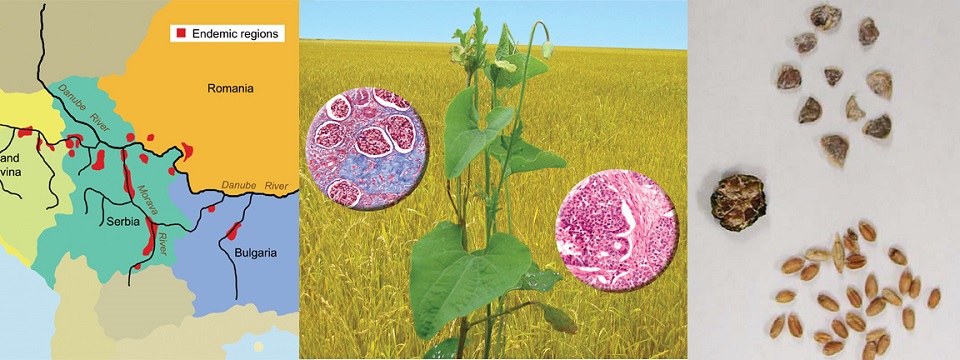
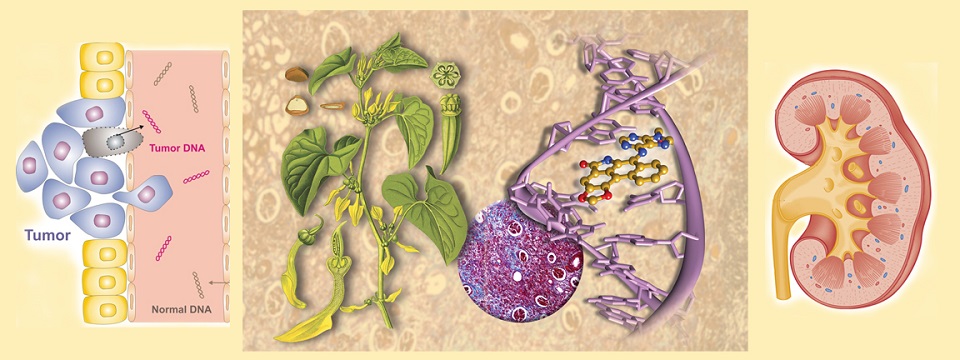
Recently, LCB scientists brought their interdisciplinary strengths to bear on the etiology of human cancer. The unsuspected carcinogenicity of certain herbal remedies was revealed by their seminal studies of Aristolochia toxicity. This research illustrates the power of combining mechanistic information with molecular epidemiological approaches in establishing causative linkages between environmental mutagens and human disease.
The outbreak of the respiratory disease COVID 19 called for the rapid development of novel therapeutic agents to battle this deadly virus. The Laboratory of Chemical Biology brings its experience with the rational design of antiviral drugs to bear on this important topic.